
Introduction
When it comes to temperature, there are two main units of measurement: Celsius and Fahrenheit. Celsius is used in most of the world, while Fahrenheit is mostly used in the United States. Nevertheless, understanding the conversion between the two units is important, especially when you encounter negative temperatures.
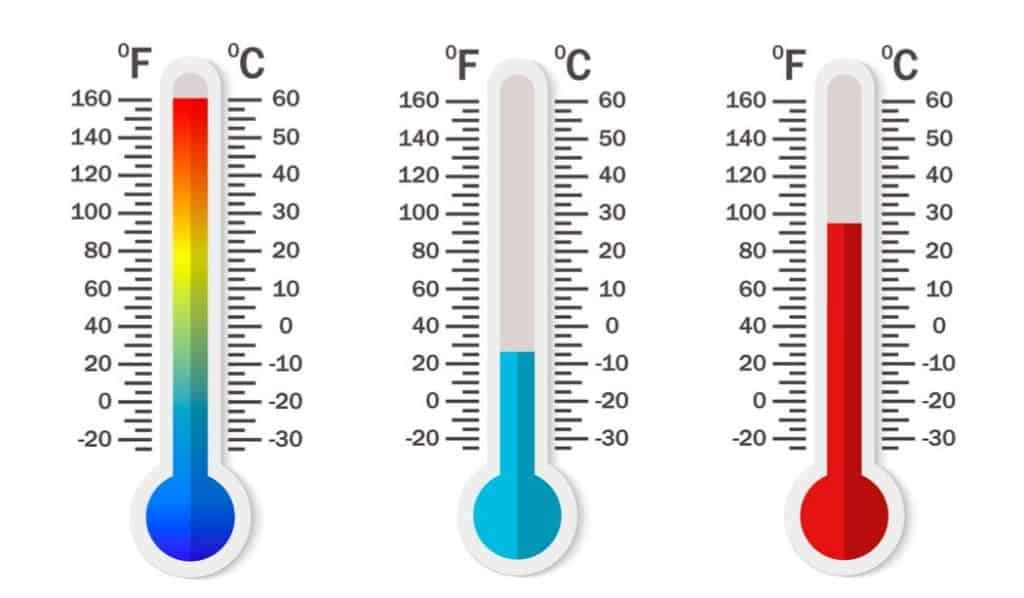
What are negative degrees Celsius?
When the temperature is below zero degrees Celsius, it is considered negative. This is because zero degrees Celsius is the freezing point of water, which is when it turns from liquid to solid. Therefore, any temperature below this point is negative.

How to convert negative degrees Celsius to Fahrenheit
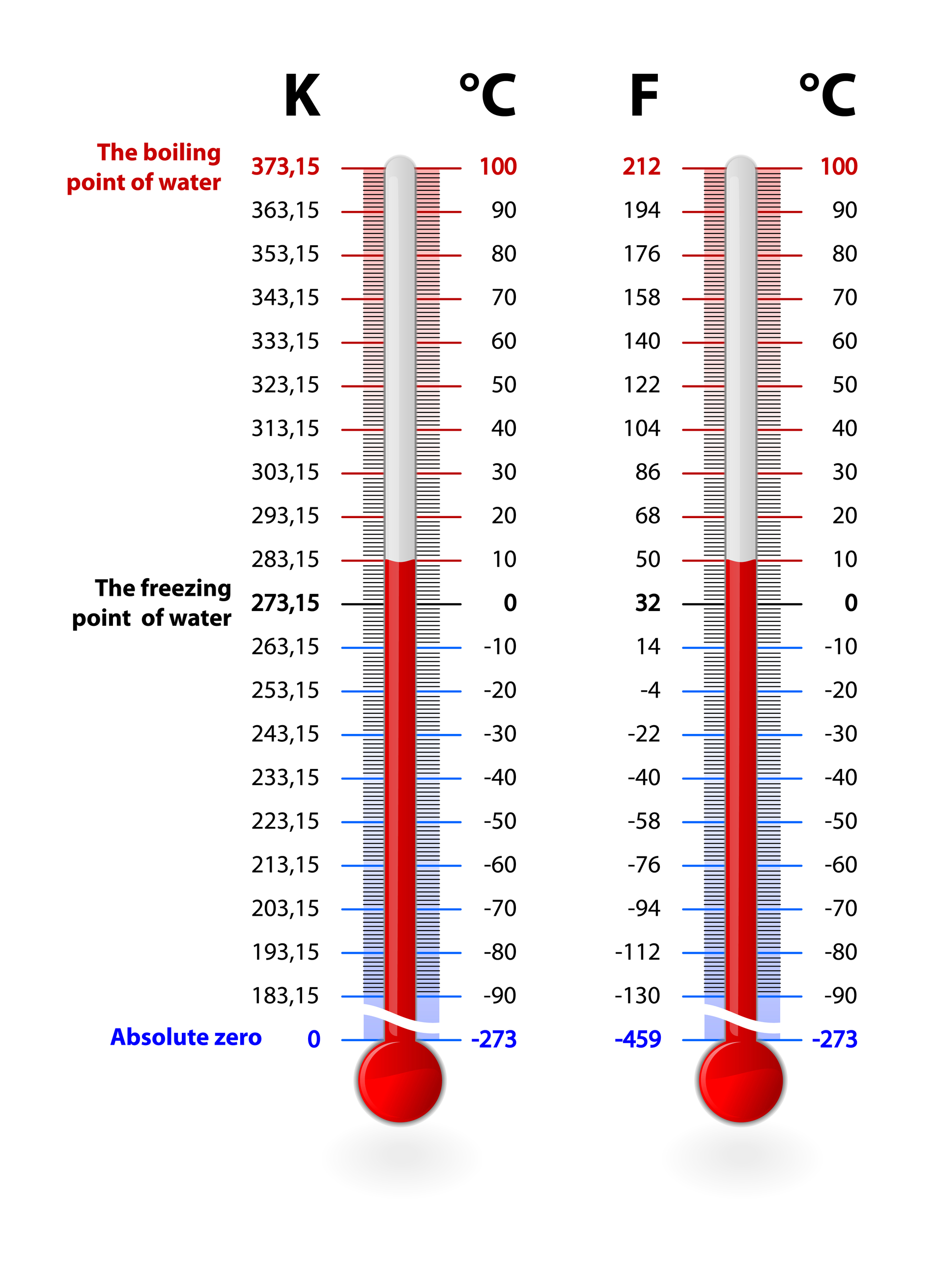
To convert negative degrees Celsius to Fahrenheit, you can use the following formula:
F = (C x 1.8) + 32
Where F is the temperature in Fahrenheit and C is the temperature in Celsius. Let's say you want to convert -10 degrees Celsius to Fahrenheit. Simply plug in -10 for C:
F = (-10 x 1.8) + 32 = 14 degrees Fahrenheit

Why do we need to convert negative degrees Celsius to Fahrenheit?
While Celsius is the more commonly used unit of measurement in most of the world, Fahrenheit is still used in some countries, including the United States. Therefore, knowing how to convert between the two is important when it comes to communicating temperature readings accurately.
:max_bytes(150000):strip_icc()/fahrenheit-celsius-equivalents-609236-sketch4-aa1f33a4c9bf49a5ba4baac98dbe98a2.png)
What are some common negative temperatures?
Negative temperatures are common in many parts of the world, especially during the winter months. Here are some common negative temperatures:
- -10 degrees Celsius
- -20 degrees Celsius
- -30 degrees Celsius
- -40 degrees Celsius
- -50 degrees Celsius
What are some effects of negative temperatures?
Negative temperatures can have some serious effects on both people and the environment. Here are some of the effects:
- Frostbite
- Hypothermia
- Freezing pipes
- Dead car batteries
- Icy roads and sidewalks
How to stay warm in negative temperatures
Staying warm in negative temperatures is important to avoid frostbite and hypothermia. Here are some tips:
- Dress in layers
- Wear a hat and gloves
- Keep your feet warm with insulated boots
- Stay active to generate body heat
- Stay inside as much as possible
Conclusion
Knowing how to convert negative degrees Celsius to Fahrenheit is an important skill, especially during the winter months when negative temperatures are common. By following the formula and taking precautions to stay warm, you can safely navigate through negative temperatures and avoid their harmful effects.