Sleep is an essential aspect of human life. It is the time when the body repairs and rejuvenates itself. Lack of sleep can lead to many health problems, including obesity, diabetes, heart disease, and depression. NASA conducted a sleep study to determine how lack of sleep affects astronauts during space missions. The study has yielded interesting results that shed light on the importance of sleep.

The Study
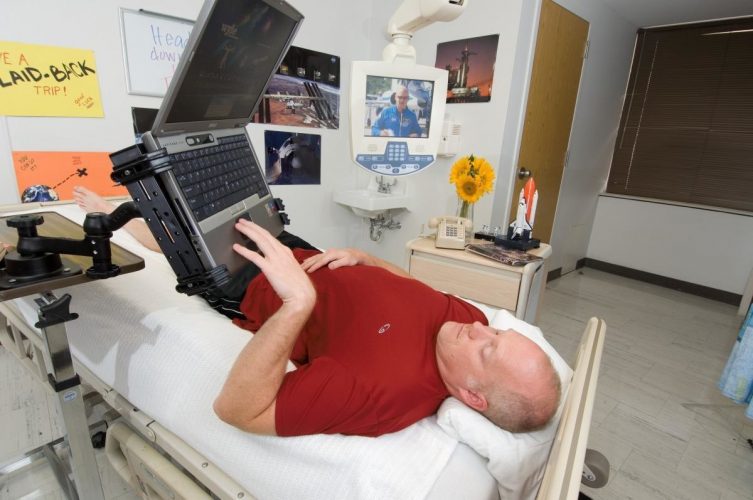
The NASA sleep study was conducted on 64 astronauts and cosmonauts who were on missions to the International Space Station (ISS). They were monitored for two weeks before their space mission, during their mission, and for two weeks after they returned to Earth. The study was designed to determine how lack of sleep affects the body and mind of astronauts during space missions.
Results
The study revealed that astronauts who slept less than six hours per night had a slower reaction time and performed poorly on cognitive tests. They also reported feeling more fatigued and irritable. The study showed that the lack of sleep affected their ability to concentrate and communicate effectively with their colleagues.
The study also found that astronauts who had more than eight hours of sleep per night had better cognitive performance and were more alert. They reported feeling more energetic and had an overall better mood. However, the study also found that sleeping more than eight hours per night is not necessarily beneficial, as it can lead to grogginess and decreased cognitive performance.

Sleeping in Space
Sleeping in space can be a challenge due to the lack of gravity and the noisy environment. Astronauts have to sleep in a sleeping bag that is attached to a wall or a ceiling. They also have to wear earplugs to block out noise from the spacecraft's equipment. NASA has developed special lighting systems that simulate natural light and darkness to help astronauts regulate their sleep-wake cycle.
Astronauts also take naps during the day to compensate for the lack of sleep during the night. NASA has found that napping for 26 minutes can improve cognitive performance by 34% and alertness by 54%. Napping has become an essential part of the astronaut's daily routine during space missions.
Conclusion
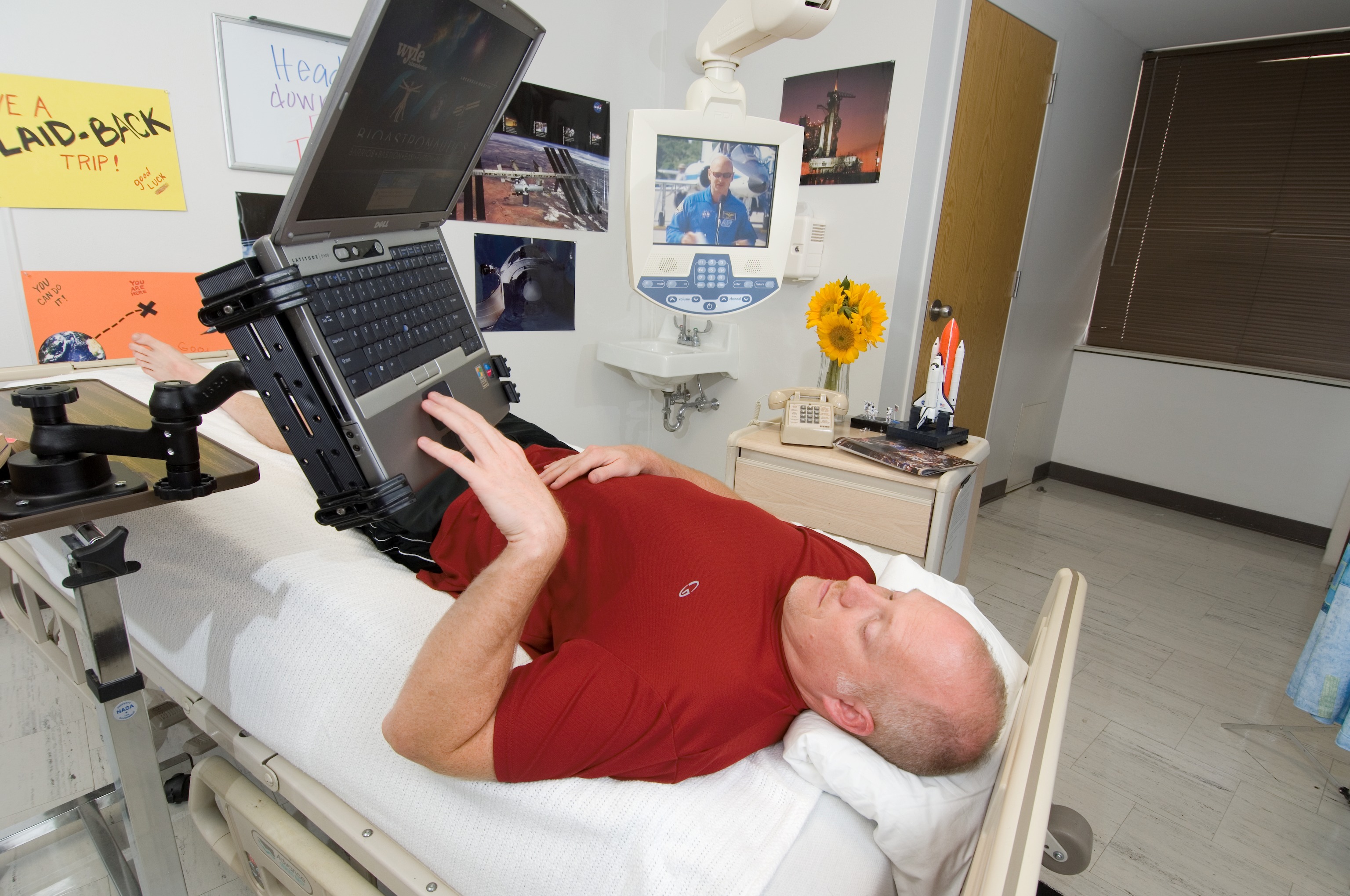
The NASA sleep study has shown that sleep is essential for cognitive performance, mood, and overall health. Lack of sleep can have a detrimental effect on our ability to function effectively. Sleeping in space is challenging, but NASA has developed strategies to help astronauts get the sleep they need. Napping is an essential part of the astronaut's daily routine, and it has been shown to improve cognitive performance and alertness. Sleep is essential, whether we are on Earth or in space.