After a strenuous workout, it's common to experience muscle soreness and fatigue. However, sometimes this discomfort can be accompanied by muscle cramps. These involuntary muscle contractions can be painful and disruptive to your daily routine. In this article, we'll explore the causes of muscle cramps after a workout, how to prevent them, and what to do if you experience them.
What are Muscle Cramps?
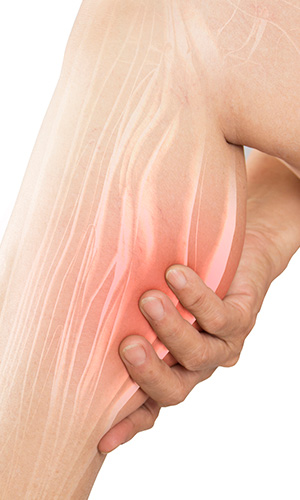
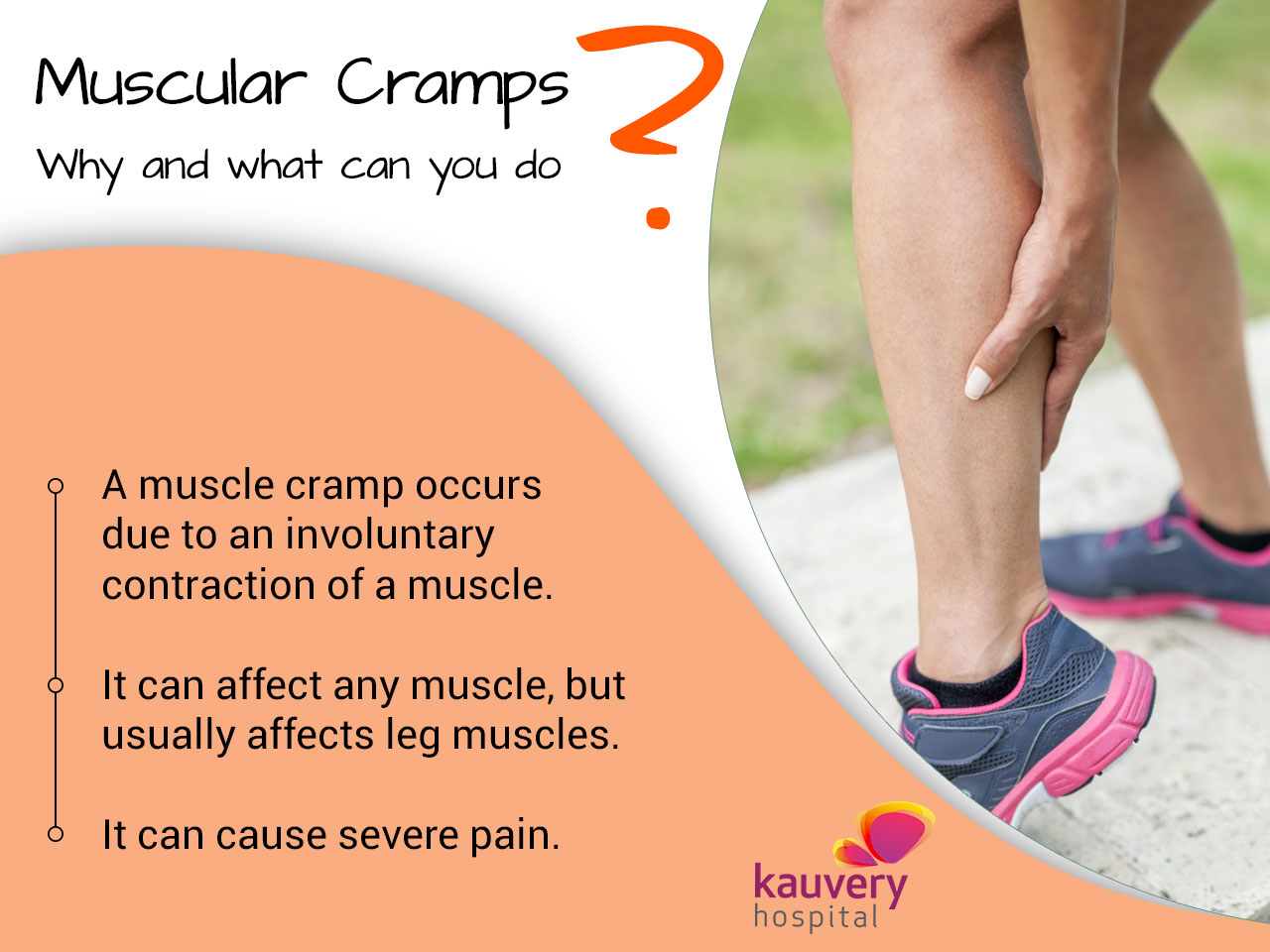
Muscle cramps are sudden, involuntary contractions of one or more muscles. They can occur anywhere in the body, but are most common in the legs, feet, and hands. Cramps can last a few seconds to several minutes and can be very painful. In some cases, the affected muscle may feel hard or lumpy.
Causes of Muscle Cramps After Workout
There are several reasons why you might experience muscle cramps after a workout:
Dehydration
Dehydration is one of the most common causes of muscle cramps. When you sweat during exercise, you lose fluids and electrolytes, which are essential for muscle function. If you don't replace these fluids and electrolytes, your muscles may cramp.
Overuse
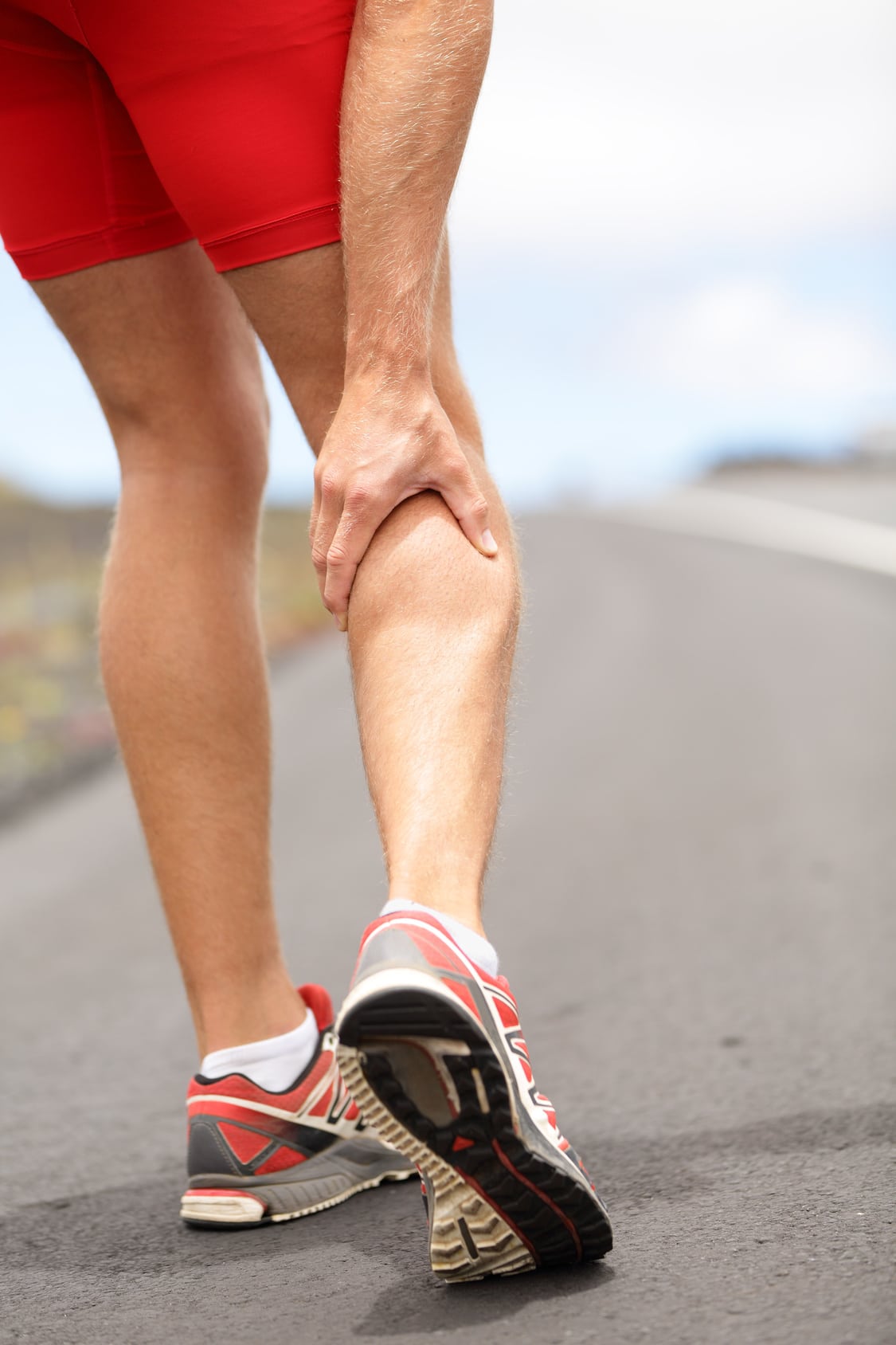
Overuse of a particular muscle or group of muscles can cause cramps. This is especially true if you're new to exercise or have recently increased the intensity or duration of your workouts.

Electrolyte Imbalances
Electrolytes are minerals that are essential for muscle function. If you have an imbalance of electrolytes, such as low levels of potassium, calcium, or magnesium, you may experience muscle cramps.

Poor Blood Flow
If you don't warm up properly before exercise or cool down properly afterwards, you may experience poor blood flow to your muscles. This can cause cramping.
Preventing Muscle Cramps After Workout
Fortunately, there are several steps you can take to prevent muscle cramps after a workout:

Hydrate
Drink plenty of fluids before, during, and after your workout to stay hydrated. Water is usually sufficient, but if you're exercising for more than an hour, you may also need to replenish your electrolytes with a sports drink.
Stretch
Take the time to stretch before and after your workout to prevent muscle tightness and cramps.

Gradually Increase Exercise Intensity
If you're new to exercise or are increasing the intensity or duration of your workouts, do so gradually. This will give your muscles time to adapt and reduce your risk of cramping.

Eat a Balanced Diet
Eating a balanced diet that includes plenty of fruits, vegetables, and whole grains can help ensure that you're getting enough electrolytes, including magnesium, which is essential for muscle function.
Treatment for Muscle Cramps After Workout
If you do experience muscle cramps after a workout, there are several things you can do to relieve the discomfort:

Massage
Gently massage the affected muscle to help it relax.

Heat
Apply heat to the affected muscle to help it relax. You can use a heating pad, warm towel, or take a warm bath or shower.

Stretching
Slowly and gently stretch the affected muscle to help it relax.

Ice
If your muscle is sore or swollen, apply ice to the affected area for 15-20 minutes at a time, several times a day.
Conclusion
Muscle cramps after a workout can be painful and disruptive. However, by taking steps to prevent them and knowing how to treat them if they do occur, you can minimize their impact on your daily routine. Remember to stay hydrated, stretch before and after your workouts, and gradually increase the intensity of your exercise routine. If you do experience muscle cramps, try massage, heat, stretching, or ice to alleviate the discomfort.