
The Rise of Non-Stick Cookware
Non-stick cookware has been a game-changer in the kitchen for decades. The first non-stick coated pans were created in the 1930s, but it wasn't until the 1960s that they became popular in households across America. Today, non-stick cookware is a staple in most kitchens, thanks to its many benefits.
The Benefits of Non-Stick Cookware
One of the biggest advantages of non-stick cookware is that it makes cooking and cleaning up a breeze. With a quality non-stick coating, food slides effortlessly off the surface of the pan, and there's no need to use excess oil or butter to prevent sticking. This makes for healthier cooking and easier cleanup.
Another benefit of non-stick cookware is that it's incredibly versatile. It can be used for everything from cooking eggs to searing meat to baking casseroles. Non-stick pans are also available in a variety of sizes and shapes, making them perfect for any recipe.
Non-stick cookware is also a great option for those who are just starting out in the kitchen. Its easy-to-clean surface and forgiving nature make it less intimidating than traditional cookware, which can be prone to sticking and burning.
Teflon: The Original Non-Stick Coating
While there are many types of non-stick coatings available today, Teflon was the original. Teflon is a brand name for a type of non-stick coating made from a chemical called polytetrafluoroethylene (PTFE). Teflon was invented by the DuPont company in the 1940s and has since become synonymous with non-stick cookware.

One of the benefits of Teflon is that it's incredibly durable. When applied correctly, Teflon can last for years without scratching or peeling. It's also heat-resistant and can withstand high temperatures without degrading, making it a great choice for cooking.
However, Teflon has come under scrutiny in recent years due to concerns over the safety of PTFE. When heated to high temperatures, PTFE can release toxic fumes that are harmful to humans and pets. While the risk is low with proper use, it's important to take precautions when cooking with Teflon.
Alternatives to Teflon
If you're concerned about the safety of Teflon, there are many alternatives available. Ceramic, anodized aluminum, and stainless steel are all popular choices for non-stick cookware.

Ceramic cookware is made from a non-stick ceramic coating that's free of PTFE and PFOA (perfluorooctanoic acid). It's durable, scratch-resistant, and can withstand high temperatures without releasing harmful fumes.
Anodized aluminum cookware is made from aluminum that's been treated with an electro-chemical process. This creates a hard, non-stick surface that's resistant to scratches and wear. Anodized aluminum is also a good conductor of heat, making it a great choice for cooking.

Stainless steel cookware is a popular choice for those who prefer a more traditional look. While stainless steel is not non-stick on its own, it can be coated with a non-stick surface to make cooking and cleaning easier.
Caring for Your Non-Stick Cookware
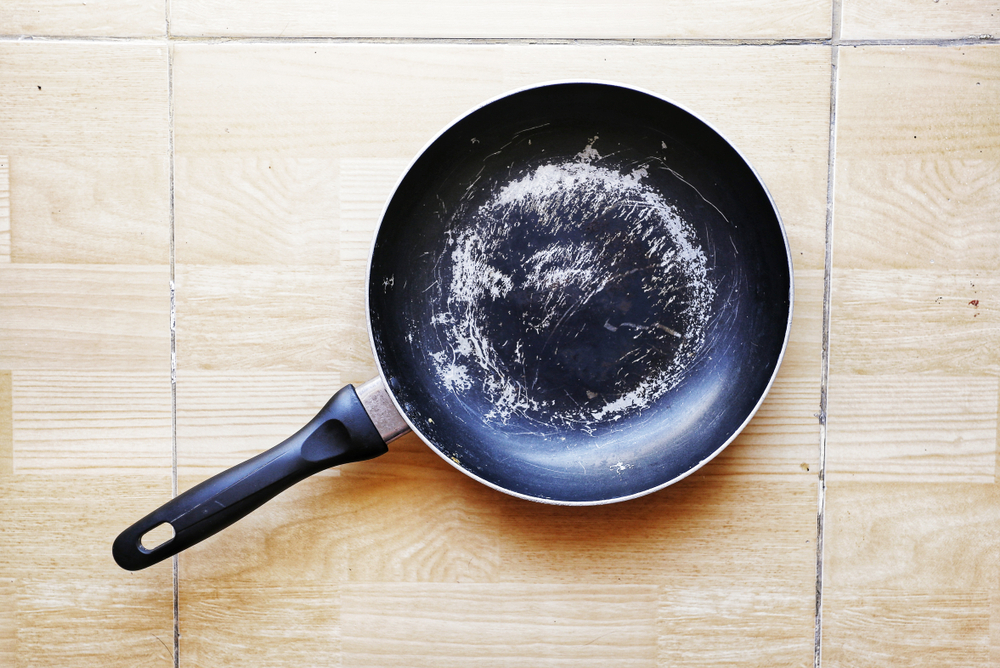
To ensure the longevity of your non-stick cookware, it's important to care for it properly. Avoid using metal utensils, which can scratch the surface of the pan. Instead, use silicone, wood, or plastic utensils. Avoid stacking non-stick pans on top of each other, as this can also cause scratches. Hand-wash your non-stick cookware with a soft sponge and mild detergent, and avoid using abrasive cleaners or scouring pads.
Conclusion
Non-stick cookware has revolutionized the way we cook and clean in the kitchen. Whether you prefer the original Teflon coating or one of the many alternatives available, non-stick cookware is a versatile and easy-to-use option that's perfect for any home cook.